
Choosing between a crystal singing bowl and a traditional metal singing bowl for Feng Shui energy work depends on your specific energetic goals, spatial constraints, and handling preferences. Crystal bowls offer high-frequency, pure tones ideal for targeted space clearing in dedicated quiet areas, while metal bowls provide grounding, complex overtones, and durability suited for multi-purpose rooms and versatile household harmony. By understanding how these materials interact with your living environment, you can select an instrument that complements your practice and harmonizes your home.
Sound Profiles and Acoustic Properties
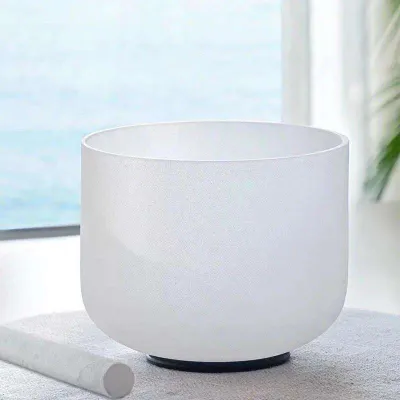
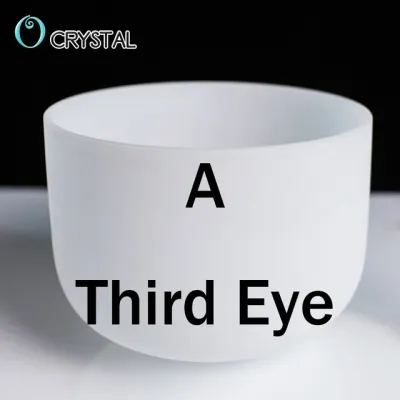
Crystal singing bowls, typically made from high-purity crushed quartz, produce a highly focused, single-frequency sound. When struck or sung around the rim, they emit a pure tone with a long, sustained resonance that can easily fill a room. This high-frequency vibration is often described as penetrating and clear, making it highly effective for breaking up stagnant energy or focusing the mind during meditation. Because quartz is a natural amplifier, the sound waves travel outward in a clean, linear fashion, maintaining their pitch for an extended period.
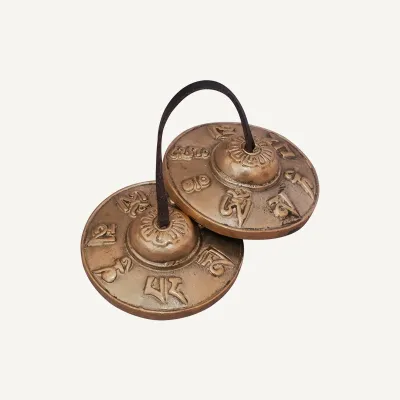
In contrast, metal singing bowls—traditionally crafted from an alloy of various metals such as copper, tin, iron, and silver—produce a rich tapestry of complex overtones. Instead of a single, pure note, a metal bowl sings with a fundamental tone accompanied by several harmonic overtones that weave together. This creates a warm, multi-layered, and grounding acoustic profile. The vibration of a metal bowl is physically palpable, often felt as a deep, soothing hum that resonates with the physical body and the immediate environment, promoting a sense of stability and calm.
Products mentioned in this guide
Prices are valid at publication and may change. Please refer to the product page for the latest price.
Before purchasing either type of bowl, it is practical to verify its acoustic properties to ensure it aligns with your preferences. If buying online, listen to verified audio samples recorded with high-quality microphones rather than basic phone audio, which can distort high frequencies or lose deep bass overtones. Many reputable suppliers provide frequency charts or specify the exact musical note and octave of the bowl. When testing a bowl in person, observe how the sound decays; a high-quality bowl of either material should have a smooth, gradual fade without sudden buzzing or harsh, discordant rattling.
Material Durability, Care, and Handling
The physical characteristics of quartz crystal require careful handling and specific environmental considerations. Crystal singing bowls are highly fragile and susceptible to cracking or shattering if dropped, bumped against hard surfaces, or struck too forcefully. They are also sensitive to extreme temperature fluctuations; rapid shifts from cold air conditioning to outdoor heat can stress the material. To prevent micro-fractures, always store crystal bowls in padded carrying cases with custom-fit inserts, and place them on a rubber O-ring during use to isolate the bowl from hard floor or tabletop surfaces.

Metal singing bowls offer exceptional resilience and are highly durable, making them suitable for frequent travel or dynamic environments. While they will not shatter if dropped, they do require routine maintenance to prevent tarnish and preserve the alloy composition. Moisture and oils from your hands can cause the metal to oxidize over time, altering its appearance and potentially dampening the sound. To maintain a metal bowl, wipe it down with a dry, soft microfiber cloth after each use, and avoid using harsh chemical cleaners or abrasive polishes that could strip away the natural patina or damage the hand-hammered texture.
Mallet and striker compatibility is another critical factor in preserving your instrument and achieving the desired acoustic output. For crystal bowls, use suede-wrapped, silicone, or soft rubber mallets; raw wood or hard plastic strikers can scratch the quartz or produce a harsh, scraping sound that disrupts your practice. For metal bowls, a wider variety of strikers can be used, including solid wood mallets for bright, clear high notes, and leather- or felt-wrapped mallets to bring out the deeper, warmer fundamental tones. Matching the mallet to the bowl material ensures both safety and sound quality.
Feng Shui Applications and Space Considerations
In Feng Shui, the choice of singing bowl material directly influences how energy, or Qi, is directed and balanced within a space. Crystal singing bowls, representing a modern evolution of sound healing, are highly effective for targeted space clearing and raising the vibrational frequency of a room. Their pure, high-frequency tones are well-suited for dedicated meditation spaces, home offices, or areas where mental clarity and spiritual focus are prioritized. The sharp, clean sound waves can help disperse stagnant energy in corners or areas of a home that feel heavy or underutilized.
Metal singing bowls, deeply rooted in traditional Himalayan practices, are excellent for grounding energy and fostering general household harmony. The complex, warm overtones of a metal bowl represent the Metal element in Feng Shui, which is traditionally associated with precision, clarity, and protection. These bowls are highly versatile and can be easily carried from room to room to balance energy, clear the entryways, or ground a living room after a busy day. Their earthy, resonant hum helps to settle chaotic energy, making them ideal for multi-purpose family spaces.
When selecting a bowl, consider the size and acoustics of your living space, particularly in typical Singapore apartments where concrete walls, large glass windows, and ceramic or marble tile floors are common. These hard surfaces reflect sound waves, which can cause high-frequency crystal tones to reverberate intensely, sometimes resulting in an overwhelming or piercing acoustic experience. If practicing in a smaller HDB flat or condo, you may need to manage reverberation by adding soft furnishings like rugs, curtains, or cushions to absorb excess sound, or opt for a smaller crystal bowl or a grounding metal bowl that naturally blends with the room’s acoustics.
Price Ranges and Value Assessment
When evaluating singing bowls in the Singapore market, prices can vary significantly based on material, craftsmanship, and origin. For crystal singing bowls, pricing is primarily driven by quartz purity, manufacturing precision, and specific tuning. Frosted quartz bowls are generally more accessible, while optically clear, hand-blown, or gemstone-infused crystal bowls command premium prices due to the complex manufacturing processes involved. Bowls that are precisely tuned to specific frequencies (such as 432 Hz) or associated with particular chakras also tend to carry a higher price tag.
The cost of metal singing bowls is influenced by their composition, age, and production method. Machine-made metal bowls, which offer consistent but less complex tones, are typically the most budget-friendly option. Hand-hammered bowls, crafted by artisans using traditional multi-alloy compositions, are priced higher due to the labor-intensive process and the unique, rich harmonic profiles they produce. Authentic antique metal bowls are rare and highly valued by collectors and practitioners, with prices reflecting their age, historical significance, and exceptional resonance.
To evaluate listings in S$ and ensure you are making a secure investment, verify the credentials of the seller or importer. Be cautious of suspiciously low-priced items on online marketplaces, as these may be low-quality imitations made from impure materials or industrial scrap metal that lacks acoustic resonance. Request material certificates or detailed product specifications where available. A reputable seller should be transparent about the origin of the bowl, its material composition, and its tuning, allowing you to make an informed decision based on value rather than price alone.
Decision Framework: Choosing the Right Bowl for Your Practice
To determine which singing bowl best fits your Feng Shui practice, evaluate your primary goals, spatial environment, and lifestyle requirements.
Choose a crystal singing bowl if:
- Your practice focuses on high-frequency energy clearing, mental clarity, or targeted chakra meditation.
- You have a dedicated, quiet space where the bowl can remain safely set up on its O-ring without risk of being bumped.
- You prefer pure, sustained, single-frequency tones and are willing to manage the acoustics of your room with soft furnishings.
Choose a metal singing bowl if:
- You require a durable, portable instrument that can be easily moved between rooms or carried to external sessions.
- You prefer warm, complex overtones and a physically grounding resonance that settles chaotic household energy.
- Your practice involves versatile, everyday space clearing across multi-purpose family areas with varied acoustic conditions.
If you remain unsure, verify your space’s acoustic limitations by testing a small metal bowl first, as its lower frequency profile is generally more forgiving in highly reflective rooms. Additionally, consult the specific guidelines of your preferred Feng Shui school to determine whether the Metal element of a traditional alloy bowl or the Earth/Space clearing properties of a quartz crystal bowl better align with your current energetic adjustments.
Frequently Asked Questions (FAQ)
Can I use both crystal and metal singing bowls together?
Yes, you can combine both crystal and metal singing bowls in a single session, provided you manage their acoustic interaction carefully. To prevent an acoustic clash where the pure tone of the crystal competes with the complex overtones of the metal, establish a clear sequence. Begin your session by striking the metal bowl to ground the energy of the room and settle the minds of those present. Once a stable, calm atmosphere is established, introduce the crystal bowl to clear stagnant energy and elevate the room’s frequency. Avoid striking both simultaneously unless you have verified that their notes harmonize harmoniously.
Do I need a specific musical note for Feng Shui space clearing?
While traditional practices sometimes associate specific musical notes with particular energy centers or Feng Shui elements, you do not need a rigidly defined note to perform effective space clearing. The most critical factor is your personal subjective resonance and auditory comfort. A bowl that sounds harsh or irritating to you will not create a harmonious environment, regardless of its theoretical note classification. Prioritize finding a bowl whose tone feels pleasant, calming, and resonant to your ears, as your personal comfort and clear intention are the true drivers of successful energy work.

Community discussion
Share your experience or ask a question. Comments are reviewed before publication.