
Setting up a home mandir (prayer altar) is a deeply meaningful step in establishing a sacred space for daily reflection, meditation, and devotion. For those embarking on this journey for the first time, the array of traditional items can feel overwhelming. However, creating a functional and spiritually uplifting altar does not require an exhaustive collection of ceremonial tools. By focusing on a few essential Hindu prayer items, you can build a serene sanctuary that fits your living space, matches your daily routine, and respects traditional practices.
A successful setup balances spiritual significance with practical home integration. Whether you reside in a spacious house or a compact apartment, selecting the right items involves understanding their purpose, maintenance needs, and safety requirements. This guide outlines the must-have items for daily worship, explores optional additions for special occasions, and provides actionable advice on material selection, spatial planning, and home safety.
Core Hindu Prayer Items for Daily Puja
To establish a basic yet complete daily worship routine, you only need a handful of core items. These foundational elements represent the five natural elements—earth, water, fire, air, and space—and help channel focus during prayers.
Products mentioned in this guide
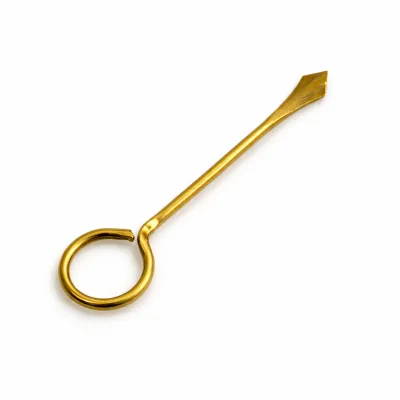
11 Lazada user ratings
well received! Excellent quality. thank you seller for the lovely gift. totally impressed
The quality is good
shld be useful
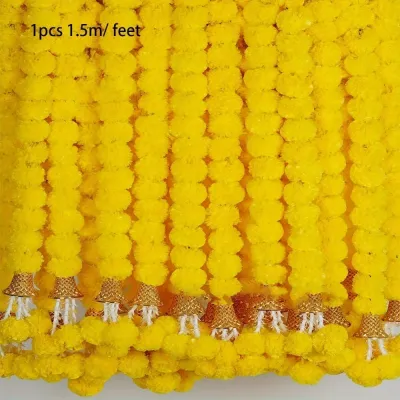
7 Lazada user ratings
Quality:good for the price.
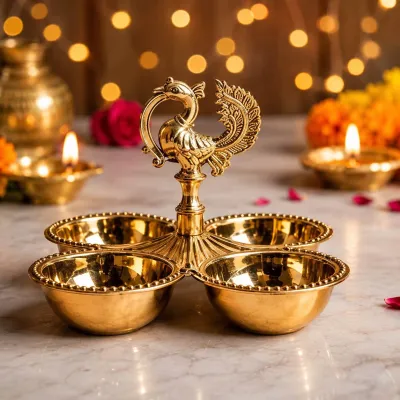
5 Lazada user ratings
Smaller than what I thought. 🔍Quality:ok
beautiful piece
so small n cute
Prices are valid at publication and may change. Please refer to the product page for the latest price.
Murti (Deity Idols)
The murti, or deity idol, serves as the focal point of your home mandir. When selecting your first murti, material choice is highly important for both aesthetic appeal and long-term maintenance. Brass is a highly popular option because of its durability, weight, and classic golden appearance. Marble murtis offer a serene, traditional aesthetic, though they are porous and can stain if exposed to colored powders like kumkum or turmeric. Clay or terracotta murtis are highly eco-friendly and lightweight, but they remain fragile and are typically reserved for temporary festive installations rather than permanent daily altars.
Sizing is another critical factor to consider before purchasing. A common mistake is choosing an idol that is too large for the altar shelf, which can make the space feel cramped and top-heavy. Measure your mandir cabinet carefully and select a murti that leaves at least two to three inches of vertical clearance above the deity’s head. This clearance ensures that you can comfortably place small flower garlands or crowns on the idol without touching the ceiling of the altar.
Diyas (Oil Lamps)
The diya, or oil lamp, represents the element of fire and symbolizes the removal of darkness and ignorance. Traditional brass diyas are the standard choice for daily puja, valued for their heat resistance and classic design. They typically use cotton wicks, which come in either long or round shapes depending on the style of the lamp. When choosing a traditional diya, verify its oil capacity; a larger reservoir ensures the flame remains lit throughout your prayer session without requiring constant refilling.
For modern households, electric diyas offer a convenient, flame-free alternative. If you choose an electric model, it is essential to verify the electrical specifications. Ensure the voltage matches your local household supply (typically 220V-240V in Singapore) and look for recognized safety certifications, such as the Enterprise Singapore Safety Mark, to prevent electrical hazards. Additionally, check the wattage limits of the bulbs and ensure the power cord is long enough to reach your wall outlet safely without creating a tripping hazard.
Incense and Dhoop
Incense sticks (agarbatti) and dhoop (incense cones or cups) represent the element of air, filling the prayer space with a calming aroma that aids concentration. Incense sticks are thin and burn relatively quickly, releasing a subtle fragrance. Dhoop cones and dhoop cups, which often contain natural resins like sambrani, produce a much denser, lingering smoke that is highly traditional but can easily overwhelm small spaces.
If you live in a compact apartment, such as a typical Singapore HDB flat, ventilation is a primary consideration. Denser dhoop formats require open windows or an active exhaust fan to prevent smoke buildup, which can trigger smoke detectors or cause respiratory discomfort. For smaller rooms, opt for low-smoke incense sticks or natural charcoal-free varieties, and always place them in a secure, heat-resistant holder that catches falling ash.
Puja Thali and Bell
A puja thali is a ceremonial plate used to organize and hold all the daily prayer essentials in one place. A standard thali should have a diameter of at least 8 to 12 inches to comfortably accommodate a small diya, an incense holder, a tiny water cup, and small containers for kumkum (vermilion), haldi (turmeric), and akshata (sacred rice grains). Organizing these items on a single tray prevents spills and keeps the altar surface clean.
The prayer bell (ghanti) is rung at the beginning of the puja to welcome divine energy and focus the mind. Bells made of high-quality brass or bronze are preferred because they produce a clear, lingering acoustic resonance that helps drown out ambient household noise. When purchasing a bell, test its weight and handle grip to ensure it is comfortable to hold and ring during your daily rituals.
Optional Hindu Prayer Items for Special Rituals
Once your basic daily setup is established, you may choose to introduce secondary items to enrich your practice during festivals, weekend prayers, or elaborate family rituals. These items add depth to your worship but are not strictly necessary for daily, quiet devotion.

Aarti Lamps and Camphor Burners
During special festivals like Diwali, Navratri, or Ganesh Chaturthi, an aarti lamp is often used to perform the final ritual of waving light before the deities. Unlike a simple daily diya, an aarti lamp may feature multiple tiers or multiple wick holders (such as a five-wick panch aarti lamp). Because these lamps hold multiple open flames, they generate significant heat and require a larger physical clearance. They should only be used in open, well-ventilated areas of the mandir.
Camphor burners (kapur dani) are used to burn solid camphor tablets, which release a distinct, purifying aroma. Traditional brass camphor burners feature a long handle to protect your hands from the heat of the burning tablet. Alternatively, electric camphor diffusers use a heated metal plate to gently vaporize the camphor without an open flame. If using an electric diffuser, check the manufacturer’s instructions regarding continuous run times and ensure the device is unplugged when not in use to prevent overheating.
Kalash and Panchpatra
The kalash is a metal pot—typically made of copper, brass, or silver—that represents abundance, wisdom, and the life-giving force of water. During major prayers or housewarming ceremonies, the kalash is filled with water, topped with mango leaves, and crowned with a coconut. Because of its symbolic importance, a kalash is a beautiful addition to festive altars, though it requires a stable, flat surface to prevent accidental spills.
For daily purification rituals, a smaller water vessel called a panchpatra is used. The panchpatra is a small metal cup accompanied by a copper spoon known as an achamani. It is used to offer water to the deities or to sprinkle water around the altar for purification. Copper is the traditional material of choice for the panchpatra due to its natural antimicrobial properties, though silver is also highly valued for its premium appearance and spiritual significance.
Asana (Meditation Mats) and Flower Vases
An asana is a small mat or rug used to sit on during prayers and meditation. Sitting directly on a cold, hard floor can be distracting during extended prayer sessions. Traditional asanas are made of natural fibers such as wool, cotton, or kusha grass, which provide excellent thermal insulation and physical comfort. Choose a mat that is easy to fold and store away when not in use to keep your prayer area tidy.
Flower vases add a touch of natural beauty and color to your mandir. Fresh flowers are a traditional offering, and placing them in stable, heavy-bottomed brass or ceramic vases ensures they do not tip over and spill water onto your sacred books or wooden altar shelves. Ensure the vases are washed daily to prevent stagnant water from attracting pests or creating unpleasant odors.
How to Choose Materials and Sizes for Your Altar
Selecting the right prayer items requires balancing traditional aesthetics with the practical realities of your home environment, maintenance willingness, and available space.
Material Durability and Care
The materials you choose for your prayer items directly impact how much time you will spend on maintenance. Brass is highly durable and affordable, but it naturally oxidizes and tarnishes over time, requiring regular polishing with tamarind paste, lemon juice, or specialized metal cleaners to maintain its bright golden shine. Silver items offer a premium, highly reflective look that elevates the beauty of the altar, but silver tarnishes quickly in humid climates and requires delicate, non-abrasive polishing to avoid scratching.
Clay and terracotta items are highly eco-friendly, biodegradable, and inexpensive. However, they are fragile, porous, and cannot be easily washed with water if they absorb oil or wax. If you prefer a low-maintenance setup, high-quality brass or stainless steel items with a protective lacquer coating are excellent choices, as they resist tarnishing and can be easily wiped clean with a damp cloth.
Spatial Planning
Before purchasing any prayer items, it is crucial to measure your mandir’s physical dimensions to avoid overcrowding. A cluttered altar can make daily prayers feel chaotic rather than peaceful. Use a measuring tape to record the width, depth, and height of your altar shelves.
When planning the layout, aim to leave at least 30% of the shelf space empty. This “breathing room” ensures you can safely move your hands around the diyas and incense holders without accidentally knocking over other items. Murtis should be placed toward the back of the shelf, with the puja thali and diyas positioned in the front for easy access. If your mandir is compact, consider wall-mounted shelves or multi-tiered steps to maximize vertical space without crowding the main altar floor.
Safety and Heat Checks
Safety should always be a priority when setting up a home mandir, especially since many rituals involve open flames, hot oil, and burning incense. Wooden, acrylic, or painted MDF (medium-density fibreboard) altars can easily scorch, discolor, or even catch fire if exposed to direct heat.
Before placing a diya or camphor burner on your altar, verify the heat resistance of the surface. It is highly recommended to place a protective, heat-resistant barrier beneath any hot items. A small marble slab, a granite tile, or a thick brass plate works beautifully to shield wooden surfaces from heat damage. Additionally, ensure that any hanging decorations, artificial garlands, or paper backdrops are securely fastened and kept far away from the flame path of your diyas.
Arranging and Maintaining Your Mandir Safely
Once you have selected your essential prayer items, arranging them correctly and establishing a safe, sustainable maintenance routine will ensure your home mandir remains a clean, peaceful, and hazard-free sanctuary.
Placement Principles
According to traditional Vastu and cultural guidelines, the arrangement of your mandir plays a significant role in channeling positive energy. Ideally, the mandir should be located in the northeast corner of your home, which is considered highly auspicious. If that is not possible, the east or north directions are excellent alternatives. When praying, you should ideally face east, and the deities should face west or east.
Elevate the altar so that the feet of the murtis are at your chest level when you are sitting or standing during prayer; deities should never be placed directly on the floor. Avoid placing your mandir directly against a bathroom wall, under a staircase, or inside a bedroom unless space constraints leave no other option. If the mandir must be in a bedroom, use a small curtain or cabinet doors to close the altar when it is not in use.
Cleaning Routines
A clean mandir reflects devotion and respect. Establish a weekly routine to dust the altar and polish your metal items. For brass and copper items, a natural paste made of tamarind pulp, salt, and water is highly effective at removing tarnish without introducing harsh chemicals. Alternatively, a mixture of baking soda and lemon juice can restore shine to silver items. Always dry metal items thoroughly with a soft microfiber cloth after washing to prevent water spots and rust.
When cleaning murtis, handle them with extreme care. Painted, gold-plated, or highly detailed marble idols should never be scrubbed with abrasive pads or harsh chemical cleaners, as this can strip away paint or damage delicate carvings. Instead, use a dry, soft-bristled brush or a clean, damp microfiber cloth to gently wipe away dust and oil residue.
Fire Safety Protocols
Operating open flames in a residential home requires strict adherence to fire safety protocols. Maintain a mandatory clearance of at least 12 inches between open flames (such as diyas and burning incense) and any flammable materials, including curtains, window blinds, hanging paper decorations, or wooden frames. Drafts from open windows or ceiling fans can cause flames to flicker violently or blow lightweight fabrics into the fire, so position your diyas away from direct air currents.
Never leave burning diyas, candles, or incense unattended. If you must leave the room or go out, extinguish the flames safely. For households with young children or active pets, traditional open diyas pose a significant safety risk. In these environments, consider using glass chimneys (diya covers) to shield the flame, or transition entirely to certified electric diyas that mimic the warm glow of a real flame without the associated fire hazard.
Frequently Asked Questions (FAQ)
Can I use electric diyas instead of traditional oil lamps?
Yes, electric diyas are widely accepted and highly practical for modern home mandirs. While traditional oil lamps hold deep symbolic value, electric alternatives offer significant safety benefits, particularly in small, poorly ventilated spaces or homes with young children and pets. They eliminate the risk of open flames and soot buildup, keeping your altar cleaner. When choosing electric diyas, select models with a warm yellow or amber glow to replicate the soothing aesthetic of a real flame, and ensure they carry recognized electrical safety certifications to guarantee safe, continuous operation.
How many murtis should I place in a new home mandir?
For a new home mandir, it is generally recommended to start with a small number of murtis—typically one to three deities. Overcrowding the altar with too many idols can make the space feel cluttered and distract from your personal devotion. Traditional practices often suggest focusing on your family deity (Ishta Devata) along with Lord Ganesha, who is traditionally worshipped first to remove obstacles. Focus on quality and personal connection rather than accumulating a large number of idols, ensuring each murti has sufficient space and clearance on the altar shelf.

Community discussion
Share your experience or ask a question. Comments are reviewed before publication.