
Finding the right decorative brass statue often feels challenging because a piece that looks stunning in a showroom can easily clash with your existing home decor if its finish, scale, or design language does not align with your room’s aesthetic. To choose decorative brass statues that seamlessly match your home interior style, you must identify your dominant design theme, select a complementary surface finish, scale the piece to fit your spatial volume, and place it where lighting and surrounding furniture enhance its warm metallic glow. By treating brass as a deliberate design anchor rather than an afterthought, you can elevate your space with a cohesive, sophisticated accent.
What is your home's dominant interior style?
Identifying your home’s dominant interior style is the essential first step to ensuring your decorative brass statues look intentional rather than accidental. You can determine this baseline by analyzing the prevailing lines, colors, and materials of your existing furniture and architectural features.
Modern and contemporary spaces typically feature clean lines, geometric shapes, and neutral color palettes with bold accents. Brass statues selected for these environments should feature abstract forms, smooth curves, or minimalist silhouettes that echo this streamlined approach. Traditional homes, on the other hand, often showcase rich wood tones, ornate moldings, and classic symmetry. Statues in these settings should lean toward classic representations, historical figures, or detailed animal forms that complement the formal atmosphere.
Products mentioned in this guide
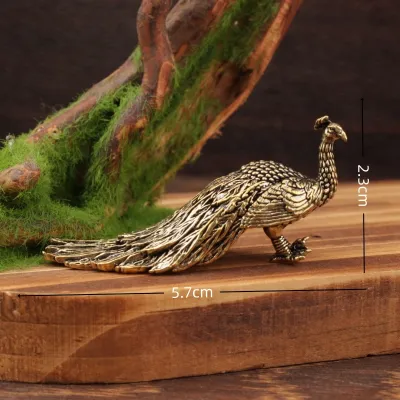
13 Lazada user ratings
Elegant copper finish, Beautiful decorative statue, Beautiful decorative statue, Modern style decor piece, Ideal gift for Chinese culture, P…Read full reviewShow less
Elegant copper finish, Beautiful decorative statue, Beautiful decorative statue, Modern style decor piece, Ideal gift for Chinese culture, Perfect for New Year display, Gorgeous peacock design,
Unique home decoration, Ideal gift for Chinese culture, Handcrafted Chinese art, Durable and long-lasting, Perfect for New Year display,
Fast shipping, Nice design Good material Value for money Received safe without damage Good workmanship
Prices are valid at publication and may change. Please refer to the product page for the latest price.
Minimalist interiors focus on functionality, open space, and a highly restrained color palette. In these rooms, a single, highly curated brass statue with a simple, clean form serves as a powerful focal point without cluttering the visual field. If your home leans toward an eclectic style, which features a curated mix of eras and designs, brass statues can bridge different design periods. However, they require a unifying element, such as a shared color undertone or thematic connection, to prevent visual chaos.
To assess your baseline, look closely at your larger furniture pieces, wall colors, and flooring. If your room features cool-toned marble and sleek steel, a highly polished, geometric brass statue will reinforce that contemporary edge. If your space is filled with warm teak wood and soft textiles, a textured or antiqued brass piece will feel more at home. Define whether you want the statue to blend harmoniously with its surroundings or act as a striking visual anchor that draws the eye immediately upon entering the room.
Which brass finish and texture complement your specific aesthetic?
Selecting the right brass finish and texture depends entirely on the atmosphere of your room, as different surface treatments interact with light and surrounding materials in distinct ways. Matching the finish to your design style ensures the metal enhances, rather than disrupts, your home’s visual harmony.

Polished brass is highly reflective, bright, and golden. This finish works exceptionally well in modern, glamorous, or transitional spaces where you want to introduce a touch of luxury. The reflective surface catches ambient light, making it a vibrant accent against dark walls or deep-toned furniture.
Brushed, satin, or matte brass textures feature subtle brush strokes or a soft, non-reflective sheen that diffuses light gently. They are ideal for minimalist, Scandinavian, or contemporary rooms where high-glare surfaces might feel too loud or distracting. The understated elegance of satin brass allows the form of the statue to take center stage.
Antiqued, oxidized, or patina brass finishes undergo chemical or natural aging processes to create darkened crevices, greenish undertones, or a weathered surface. They are highly suited for traditional, rustic, industrial, or eclectic interiors. The rich texture tells a visual story, adding depth and historical character to bookshelves, mantels, or vintage cabinets.
While sticking to one finish is a safe approach, you can intentionally mix brass finishes in eclectic or transitional spaces. To do this successfully, keep a unifying element—such as the scale of the statues or the color temperature of the surrounding decor—consistent. For instance, pairing a small brushed brass figurine with a medium-sized antiqued brass statue on the same shelving unit can work if both share organic, rounded shapes.
How do you determine the correct size and scale for your room?
Determining the correct size and scale requires measuring your available display surfaces and comparing the statue’s physical dimensions against the surrounding furniture and room volume. A well-scaled statue balances naturally within its environment, whereas an poorly sized piece can easily look lost or overwhelmingly cluttered.
Before purchasing, measure the depth, width, and height clearance of your target surface, whether it is a console table, bookshelf, mantel, or side table. A statue should never overhang the edge of its platform, as this creates both a visual imbalance and a physical hazard.
Consider the visual weight of the statue. A solid, blocky brass sculpture will feel heavier than a slender, open-frame geometric piece of the same height. If you are placing a statue on a large console table next to a tall table lamp, the statue should be tall enough (typically one-half to two-thirds the height of the lamp) to avoid being visually swallowed by its neighbor.
In compact apartments, such as those commonly found in Singapore, floor space and surface areas are premium resources. Large, heavy statues can quickly make a small living room feel cramped. Opt for smaller, vertically oriented figurines that draw the eye upward without consuming excessive horizontal space. Conversely, in expansive, high-ceilinged rooms, tiny figurines will lose their impact entirely; here, larger statement sculptures or well-planned groupings are necessary to command attention.
Where should you place decorative brass statues for maximum visual impact?
To achieve maximum visual impact, place your decorative brass statues in prominent focal areas where natural or artificial light can highlight their metallic contours. Strategic placement ensures the statues guide the viewer’s eye through the room while complementing the functional flow of the space.
Position larger or more intricate brass statues in high-traffic zones such as the entryway console, the center of a fireplace mantel, or a prominent living room coffee table. In the dining area, a pair of matching brass sculptures can serve as an elegant centerpiece, reflecting the warm glow of a dining pendant light.
Smaller brass figurines are highly effective when tucked into unexpected places. Use them as functional bookends on a study desk, as quiet accents on a bedroom nightstand, or on a dry vanity shelf in the bathroom to introduce a touch of warmth to cold tile surfaces.
When displaying multiple pieces, apply the “rule of threes” or use odd numbers to create a more dynamic, curated look. Group statues of varying heights and shapes together rather than lining up identical pieces in a row. For example, pair a tall, slender brass obelisk with a medium-sized organic sculpture and a small decorative brass bowl to create a visually pleasing triangular composition.
Brass is highly responsive to lighting. Position your statues where they can catch ambient light from nearby windows during the day, or install directional spotlights and track lighting to cast dramatic shadows at night. If you are installing new lighting fixtures to highlight your decor, ensure you isolate the power supply before beginning any electrical work, follow the manufacturer’s installation instructions, or hire a qualified professional for fixed wiring.
How can you assess the quality and craftsmanship before purchasing?
You can assess the quality and craftsmanship of a decorative brass statue by conducting a thorough physical inspection of its surface, weight, and structural stability. Verifying these physical characteristics helps you distinguish high-quality cast brass from inferior plated alternatives or poorly constructed replicas.
Examine the statue closely for visible casting seams, which are raised lines left where the mold halves met. While minor hand-finished variations add character, prominent, rough seams often indicate hasty manufacturing. Check the surface for pitting—tiny pinholes or bubbles caused by air trapped during the casting process—as well as uneven polishing or patchy chemical patinas.
Pick up the statue to evaluate its weight. Genuine cast brass is heavy and solid; if a large statue feels surprisingly light, it may be hollow, made of a thin brass sheet over a resin core, or simply brass-plated zinc or aluminum. Ensure the base is flat and the weight is distributed evenly so the statue does not tip over easily when placed on a flat surface.
Review the manufacturer’s product labels, material specifications, and care instructions. High-quality brass items often come with clear guidelines on cleaning and preservation, such as avoiding harsh chemical cleaners that can strip away protective lacquers or natural patinas. If the material composition, weight, or structural integrity is unclear, or if you suspect the item is not solid brass as claimed, stop the purchase and consult the seller or manufacturer for clarification before proceeding.
Community discussion
Share your experience or ask a question. Comments are reviewed before publication.