
To keep your Ecoya ultrasonic diffuser producing a strong, consistent mist and delivering the best possible scent throw, you must establish a regular cleaning routine. Over time, essential oils leave behind a stubborn, oily residue, while minerals from water accumulate on the delicate ultrasonic plate. This buildup dampens the high-frequency vibrations needed to turn water and oil into a fine mist. Fortunately, maintaining your diffuser requires only a few simple steps: unplugging the unit, emptying any residual water away from the internal air vent, gently wiping the tank with a diluted white vinegar solution, and carefully cleaning the ultrasonic ceramic disc with a cotton swab. By performing these basic maintenance tasks, you protect the device’s internal electronics, prevent aroma cross-contamination, and ensure your living space is always filled with clean, pure fragrance.
Why Regular Cleaning Matters for Your Ecoya Diffuser
Ultrasonic diffusers operate using a small, rapidly vibrating ceramic disc located at the bottom of the water reservoir. This plate vibrates at an ultrasonic frequency, which instantly splits water and essential oil molecules into an extremely fine, cool mist that disperses into the air. When you use your Ecoya diffuser, the essential oils you add to the water tank are naturally viscous. Over several uses, these oils do not fully evaporate; instead, they leave behind a thin, sticky film on the walls of the tank and directly on the surface of the ultrasonic plate.
When this oily residue coats the ceramic disc, it acts as a physical barrier. The dampening effect restricts the disc’s ability to vibrate at its designated frequency, which directly leads to a weaker mist volume or a complete lack of mist production. Furthermore, if you leave standing water in the tank for extended periods, it can become a breeding ground for bacteria, mold, and mildew. This stale water not only ruins the purity of your next fragrance blend by introducing musty undertones but can also permanently damage the internal components of the device. Regular cleaning ensures that every scent profile you diffuse remains true to its original notes, while also extending the overall operational lifespan of your investment.
Products mentioned in this guide
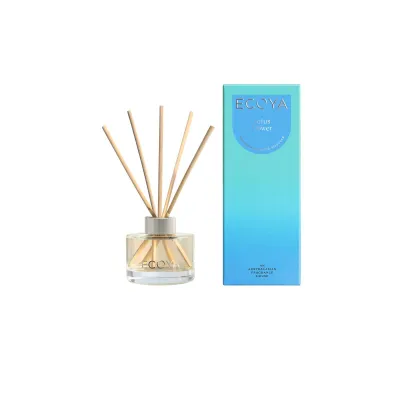
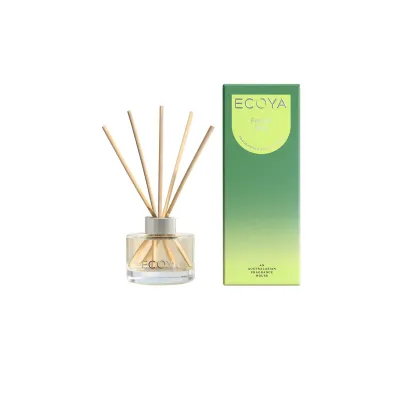
6 Lazada user ratings
looking forward to try this scent. thanks for the free gift🥰❤️
Great diffuser that fills the room
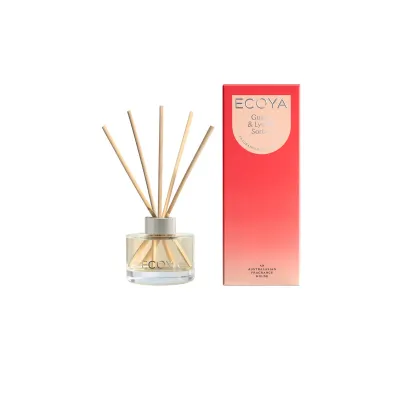
3 Lazada user ratings
really love this scent. thanks for the Christmas Gift🥰❤️
Prices are valid at publication and may change. Please refer to the product page for the latest price.
Tools and Materials Needed for Safe Cleaning
Cleaning an ultrasonic diffuser does not require specialized or expensive commercial solvents. In fact, harsh chemical cleaners can permanently degrade the plastic housing and damage the sensitive ultrasonic plate. To clean your diffuser safely and effectively, you should gather a few basic, non-abrasive household items.

First, keep a supply of distilled or filtered water on hand. While tap water is convenient, distilled water is free of the dissolved minerals that cause rapid scale buildup. For the cleaning agent, plain white vinegar is the most reliable and safe option. The natural acidity of white vinegar gently breaks down stubborn essential oil residues and dissolves mineral scale without corroding the plastic tank. Alternatively, isopropyl alcohol (rubbing alcohol) can be used sparingly on a cotton swab to dissolve particularly stubborn oil spots on the ceramic disc.
For wiping and drying, always use a clean, soft microfiber cloth to avoid scratching the smooth plastic surfaces. Cotton swabs are essential for reaching the tight corners of the water tank and gently cleaning the delicate ultrasonic plate. You must strictly avoid using abrasive scrubbing pads, steel wool, bleach, or highly concentrated chemical detergents. These harsh materials can scratch the ceramic disc, strip away protective coatings, or leave behind toxic chemical residues that would later be aerosolized into your home’s air supply.
Before using any power source, verify that your power adapter matches the local voltage requirements and carries the appropriate safety and electrical certification marks. Using an uncertified or incorrect power adapter can cause electrical instability, overheating, or permanent damage to the diffuser’s ultrasonic mechanism.
Step-by-Step Guide to Deep Cleaning the Tank and Ultrasonic Plate
Before beginning any maintenance on your Ecoya diffuser, safety must be your top priority. Always turn off the device and completely unplug the power adapter from both the wall outlet and the base of the diffuser. This isolates the electrical components and eliminates any risk of short circuits or electrical shocks. Once the device is fully disconnected, remove the outer decorative cover and the inner lid.
When emptying any remaining water from the reservoir, pay close attention to the physical design of the diffuser base. Most ultrasonic diffusers feature a small air outlet or vent opening near the rim of the tank. You must always pour water out from the opposite side of this air vent. If water accidentally enters the air outlet, it can drain directly into the internal circuit board, causing immediate and irreversible electrical damage.
To descale and clean the tank, fill the reservoir about halfway with clean, room-temperature water. Add approximately five to ten drops of pure white vinegar directly to the water. Plug the unit back in and let it run in a well-ventilated room for five to ten minutes. This allows the warm, acidic mixture to circulate throughout the tank and loosen any bound oil or mineral deposits. After this brief cycle, turn off and unplug the unit once more, then pour out the vinegar solution away from the air vent.
Next, focus on the ultrasonic plate, which is the small, circular ceramic chip at the bottom of the tank. Dip a clean cotton swab into a small amount of white vinegar or isopropyl alcohol, ensuring it is damp but not dripping. Gently press the swab against the ceramic plate and wipe in a circular motion. Do not apply heavy pressure, as the ceramic disc is fragile and can crack under force. Use a second, dry cotton swab to absorb any remaining moisture and loosened residue from the plate.
After cleaning the plate, wipe down the entire interior of the water tank with a soft microfiber cloth dampened with clean water to remove any lingering vinegar scent. Rinse the reservoir briefly with a small amount of clean water, pouring it out carefully. Finally, leave the cover off and allow all components to air-dry completely in a well-ventilated area before reassembling the unit or adding fresh water for your next aromatherapy session. Always consult your specific Ecoya product manual to verify if your model has any unique disassembly limits or specific cleaning restrictions.
Daily and Weekly Maintenance Habits
Incorporating simple daily and weekly habits into your routine will dramatically reduce the frequency of deep cleaning sessions and keep your diffuser running at peak performance. The most effective daily habit is to empty the water tank whenever the diffuser is not in use. Leaving water sitting in the reservoir for days at a time encourages mineral precipitation and bacterial growth. After your diffusion cycle is complete, simply pour out any leftover water and wipe the interior dry with a clean microfiber cloth.
This quick wipe-down is especially important when you plan to switch between different essential oil blends. Residual oils from a previous session can easily mix with a new fragrance, altering the intended aroma profile and resulting in a muddy, less pleasant scent throw. By starting with a clean, dry tank, you ensure that each fragrance is experienced exactly as the perfumer intended.
When filling your diffuser, always pay close attention to the maximum water level indicator marked inside the tank. Overfilling the reservoir is one of the most common causes of weak mist production. When the water level is too high, the weight of the water prevents the ultrasonic plate from creating the necessary displacement to push mist out of the nozzle. Additionally, overfilled water can easily splash into the air vent during operation or when moving the device.
To protect the internal electronics and ensure safe operation, always place your diffuser on a flat, stable surface away from damp environments, such as bathrooms with high humidity, or direct heat sources like radiators and stoves. Finally, do not forget the exterior of your diffuser. Dust and accidental oil splatters can accumulate on the outer cover, potentially clogging the mist output nozzle. Once a week, wipe down the exterior housing with a slightly damp microfiber cloth, avoiding harsh chemical sprays that could damage decorative finishes.
Troubleshooting Weak Mist and Fading Scent Throw
If you notice that your Ecoya diffuser is producing a weak, sputtering mist or if the scent throw seems unusually faint, there are several troubleshooting steps you can take before assuming the device is broken. First, verify the water level. If the tank is filled too close to the maximum line, or if it is nearly empty, the ultrasonic plate will not be able to generate a consistent mist. Adjust the water level to slightly below the maximum fill line and try running the device again.
Next, evaluate your essential oil usage. The ideal oil-to-water ratio depends on the capacity of your diffuser’s tank, but a general guideline is to use three to five drops of oil per 100 milliliters of water. Using too little oil will naturally result in a weak scent throw, while using too much oil can quickly oversaturate the water, making it too heavy for the ultrasonic plate to vaporize effectively. If you suspect you have over-oiled the water, empty the tank, wipe it clean, and start fresh with a lighter hand.
If the water level and oil ratio are correct but the mist remains weak, inspect the ultrasonic plate closely for signs of mineral buildup. Hard water minerals can form a hard, white crust over the ceramic disc that is difficult to see at a glance but highly disruptive to vibrations. A targeted descaling treatment using a vinegar-soaked cotton swab left resting on the plate for ten minutes can help dissolve this stubborn crust.
While the built-in LED lights on your diffuser offer customizable color temperatures and spatial effects to match your home decor, these lighting features are purely aesthetic preferences and have no bearing on the ultrasonic mist output. If the device begins making grinding or unusually loud buzzing noises, if you notice water leaking from the bottom of the base, or if the unit fails to turn on entirely, unplug it immediately. These symptoms indicate potential mechanical failure or internal water damage to the electrical circuitry. In these cases, do not attempt to disassemble the electrical base yourself; instead, contact Ecoya customer support or a qualified electronics technician for assistance.
Safe Storage and Long-Term Care
If you plan to put your Ecoya diffuser away for an extended period—such as during a move, a seasonal change, or a long vacation—proper preparation is essential to prevent damage. Storing a diffuser that still contains traces of moisture or oil residue can lead to the growth of mold, mildew, and unpleasant odors that are incredibly difficult to remove later.
Begin by performing a thorough deep clean of the tank and the ultrasonic plate using the vinegar method. Once cleaned, wipe all parts dry and leave the unit disassembled in a warm, dry room for at least 24 to 48 hours to ensure that every trace of moisture has evaporated from the internal channels and air vents.
Store the dry diffuser in a cool, dry environment away from direct sunlight, high humidity, and extreme temperature fluctuations, such as in an uninsulated attic or basement. Direct sunlight and high heat can warp the plastic housing and degrade internal seals over time.
When packing away the power adapter, handle the cord with care. Avoid wrapping the cord tightly around the adapter block or bending it at sharp angles, as this can cause the internal copper wires to fray or break over time. Instead, gently coil the cord in a loose circle and secure it with a twist tie or velcro strap. Store the cord alongside the diffuser to prevent it from being lost or mixed up with incompatible power supplies.
Frequently Asked Questions (FAQ)
Can I use tap water in my Ecoya diffuser?
While you can technically use standard tap water in your Ecoya diffuser, it is not recommended for long-term performance. Tap water contains dissolved minerals like calcium and magnesium. When the ultrasonic plate vibrates, these minerals are left behind, forming a hard scale buildup on the ceramic disc much faster than filtered options. This scale dampens the vibrations, leading to a weaker mist and requiring more frequent deep cleaning. For the most consistent mist volume, optimal scent throw, and easiest maintenance, it is highly recommended to use distilled or filtered water.
How often should I perform a deep clean with vinegar?
For regular users who operate their diffuser daily, a deep clean with white vinegar should be performed every two to three weeks. However, you should adjust this frequency based on your usage habits and the types of oils you enjoy. If you frequently switch between highly contrasting or strongly scented essential oil blends, you should perform a quick vinegar clean immediately between switches to prevent aroma cross-contamination. Additionally, if you notice a visible reduction in mist volume or see residue building up on the bottom of the tank, perform a deep clean immediately.
What should I do if water spills into the air vent?
If water accidentally spills into the air vent of your diffuser, you must act quickly to prevent permanent electrical damage. Immediately unplug the power cord from the wall outlet and disconnect it from the base of the device. Do not attempt to turn the unit back on or test if it still works. Carefully tilt the diffuser base to drain as much water as possible out of the vent, ensuring you do not spill more water onto other electrical ports. Place the diffuser in a warm, dry, and well-ventilated area, and let it dry completely for at least 24 to 48 hours. If the device fails to turn on, makes unusual noises, or emits a burning smell after drying, stop using it immediately and consult the manufacturer or a qualified professional.
Community discussion
Share your experience or ask a question. Comments are reviewed before publication.