
Many beginners struggle to get a clean, resonant sound from a singing bowl, often experiencing harsh rattling or a tone that fades almost instantly. To play a singing bowl correctly, you must master two fundamental techniques: striking the bowl with a relaxed wrist to produce a clear initial tone, and circling the outer rim with consistent pressure and speed to sustain a continuous, singing vibration. With a few adjustments to your posture, grip, and movement, you can transform these initial difficulties into a smooth, resonant sound that highlights the unique acoustic properties of your bowl.
Singing bowls are highly valued both as beautiful cultural decor and as functional instruments for mindfulness, meditation, and Feng Shui. Whether your bowl is a hand-hammered antique or a modern machine-pressed piece, its sound depends entirely on how physical energy is transferred to the metal. Understanding the mechanics of this transfer is the key to unlocking its full acoustic potential.
By focusing on the physical relationship between the mallet, the bowl, and your hands, you can avoid common beginner mistakes. This guide will walk you through the essential steps to prepare your space, execute a perfect strike, and master the continuous rim-play technique.
Products mentioned in this guide
6 Lazada user ratings
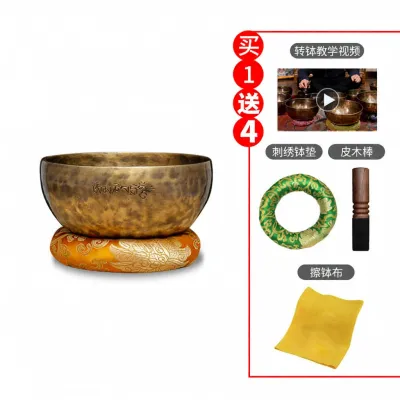
This handmade singing bowl is absolutely stunning! At 13cm in diameter, it's the perfect size and feels nicely weighted in your hand. The so…Read full reviewShow less
This handmade singing bowl is absolutely stunning! At 13cm in diameter, it's the perfect size and feels nicely weighted in your hand. The sound quality is crystal clear and ethereal; when you strike it, the whole room falls silent, making it perfect for meditation and relaxation! The seller's service is also super nice and patient, always ready to answer questions. I would definitely recommend this to my friends!
Love the full moon singing bowl! Quality looks great even though it's handmade. Sound is just right for the 13cm size and not too sharp and …Read full reviewShow less
Love the full moon singing bowl! Quality looks great even though it's handmade. Sound is just right for the 13cm size and not too sharp and high pitch for my ears. Came with a small wooden mallet, ring cushion and a cleaning cloth. Thank you, seller!
The sound is rich and lasts for about a minute; it feels really soothing and I'm very happy with it.
Very high quality, and the sound is really pleasant with the mortar and pestle set.
The package was really secure and arrived without any damage.
13 Lazada user ratings
Надо докупить ещё подушечки а так надеюсь будет моей любимой чашей. Спасибо большое продавцу ❤️ ❤️ ❤️ ❤️ ❤️ ❤️ ❤️ ❤️ ❤️ ❤️ ❤️ ❤️ ❤️ ❤️ ❤️ ❤️
the singing bowl is nice but how come it doesnt come with the wooden mallet? Disappointed 😑
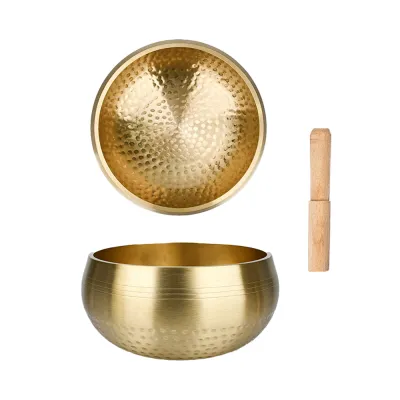
Good quality, sound resonance is good at this price. Design is also neutral as per prefer.
Beautiful brass design, Peaceful mindfulness tool, Great for sound healing, satisfied.
Size: too small
7 Lazada user ratings
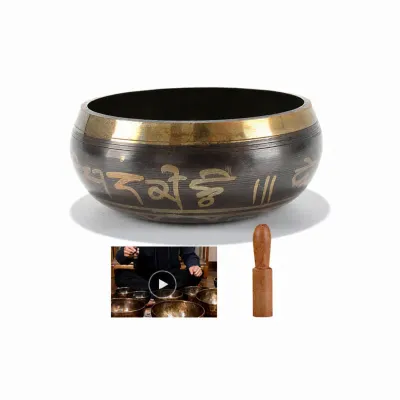
fast delivery thanks Material:High-quality material, Design:okTimeless appeal,
It really refreshes the spirit, no joke—just seeing it is a delight.
Got it, and I really like it!
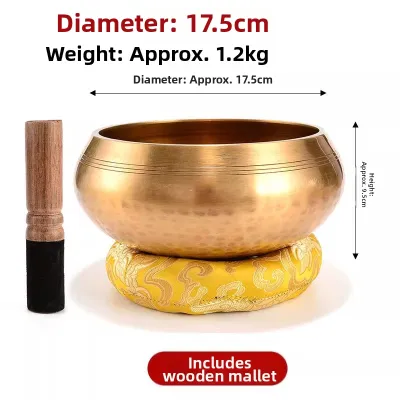
266 Lazada user ratings
The quality is great, it looks nice, the design is really cute, the craftsmanship is detailed, it has a good meaning, I'm overall satisfied,…Read full reviewShow less
The quality is great, it looks nice, the design is really cute, the craftsmanship is detailed, it has a good meaning, I'm overall satisfied, the design is beautiful.
The product is awesome, the sound is clear, and it's really easy to use. I'm feeling great about it!
The quality is really good, pure copper with no impurities, and it sounds crisp and melodious.

16 Lazada user ratings
It's a cute little thing, placed at the entrance; I tap it every time I go in or out. The sound isn't very loud, but it's alright.
The materials are solid, and the sound quality is rich and long-lasting. I really like it; it's great for meditation.
I got it, but it feels a bit worn out and patched up. Buyers should think carefully before getting it!
solid material and sound quality
Pretty good!

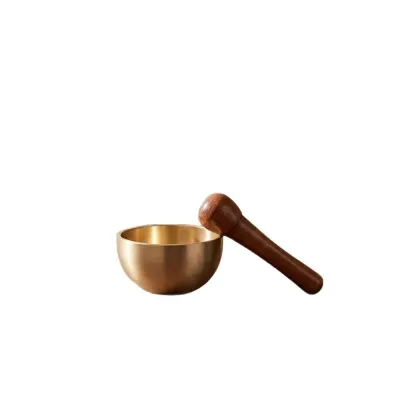
Prices are valid at publication and may change. Please refer to the product page for the latest price.
What Should You Prepare and How Should You Hold the Bowl and Mallet?
To prepare for playing, place the singing bowl on a flat, stable surface or a dedicated ring cushion, and hold the mallet firmly but comfortably like a pen or a wand. This setup ensures the bowl can vibrate freely without slipping while giving you the physical control needed for consistent contact.
The foundation of a great sound starts with how the bowl is supported. If you place a singing bowl directly on a hard, bare table, the vibrations of the metal will clash with the hard surface, resulting in an unpleasant buzzing noise or a rapidly dying tone. A soft, circular ring cushion or a thick felt pad acts as an ideal barrier, absorbing the downward physical impact while allowing the sides of the bowl to expand and contract freely.
If you prefer to hold the bowl in your hand, use your non-dominant hand and keep your palm completely flat. Extend your fingers straight out or point them slightly downward. It is a common mistake to cup the bowl or let your fingers curl up to touch the outer walls. Because the metal must vibrate to produce sound, any contact with your fingers will act as a mute, absorbing the energy and silencing the bowl almost immediately.
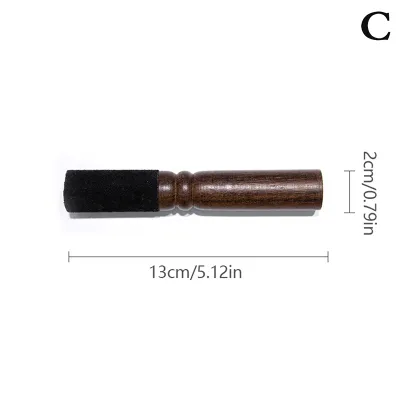
To hold the mallet, grip it in your dominant hand about halfway down the handle. Hold it much like you would hold a pen, a paint brush, or a conductor’s baton, using your thumb and first two fingers. This grip provides the necessary control to apply steady pressure while keeping your wrist flexible enough to follow the circular contour of the bowl. Avoid gripping the mallet too tightly, as a stiff hand transfers tension into the movement, making it difficult to maintain a smooth, even pace.
How Do You Strike a Singing Bowl to Produce a Clear Initial Tone?
To produce a clear initial tone, strike the outer wall of the singing bowl slightly below the rim using the padded side of your mallet, letting the mallet bounce off immediately. This quick, decisive strike initiates a pure vibration without dampening the sound or causing harsh metallic clanging.

The striking zone is critical to the quality of the tone. The sweet spot is typically located on the widest part of the bowl’s outer belly, about one to two inches below the top rim. Striking too low near the base results in a dull, muffled thud because the metal is thicker and less flexible there. Conversely, striking directly on the sharp edge of the rim can produce a harsh, high-pitched screech and may scratch or damage the delicate edge of the bowl.
When executing the strike, use a relaxed, fluid motion of the wrist rather than moving your entire arm. Think of the movement as a gentle tap-and-release. The mallet must make contact and then immediately rebound away from the metal. If the mallet lingers on the bowl for even a fraction of a second after the strike, the padding will absorb the very vibrations you just created, muting the sound.
The material of your mallet also plays a significant role in the tone produced. Mallets wrapped in felt or leather are excellent for creating warm, deep, and mellow tones because they cushion the initial impact. Bare wooden mallets, on the other hand, produce a much brighter, higher-pitched, and more immediate sound. Experiment with both sides of your mallet, if applicable, to observe how the material changes the character of the acoustic response.
Always adjust your striking force based on the size and thickness of your bowl. Larger, heavier bowls require a slightly firmer strike to set their massive walls in motion, while smaller, thin-walled bowls require only a very light, delicate tap. Avoid hitting the bowl with excessive force, as this can cause the metal to rattle violently and can potentially crack delicate or antique pieces.
How Do You Circle the Rim to Create a Continuous Singing Sound?
To create a continuous singing sound, press the mallet vertically against the outer edge of the rim and guide it around the circumference in a smooth, unbroken circle with steady pressure. The friction between the mallet and the metal is what builds and sustains the continuous acoustic resonance.
This technique relies on a physical phenomenon known as the stick-slip effect, where the mallet continuously grabs and releases the metal surface, generating a sustained sound wave. To begin, you can either strike the bowl gently first to start the vibration, or start from complete silence. Place the padded or leather-wrapped portion of the mallet against the outer top edge of the rim, holding the mallet at a slight inward angle of about 10 to 20 degrees toward the center of the bowl.
The key to sustaining the “singing” sound is maintaining firm, constant pressure against the rim. Beginners often make the mistake of focusing only on the speed of their circular motion while forgetting to press inward. If you do not apply enough pressure, the mallet will lose contact with the vibrating metal and begin to bounce rapidly, creating a harsh, chattering noise. Imagine that you are scraping a stubborn residue off the inside of a bowl; you need that same steady, deliberate friction.
As you circle the rim, move your entire arm from the shoulder and elbow rather than spinning the mallet with your wrist. Keeping your wrist relatively stable allows you to maintain a consistent angle and pressure all the way around the bowl. Your speed should be slow and deliberate. If you move too fast, the mallet will slide over the vibrations instead of catching them, resulting in a scraping sound rather than a musical tone.
Listen closely to the auditory feedback from the bowl to adjust your technique in real time. If the sound begins to fade, try slowing down slightly while increasing your inward pressure. If the bowl begins to produce a harsh, rattling sound, it means the mallet is bouncing; immediately increase your pressure and slow your pace to stabilize the vibration.
Why Is My Singing Bowl Rattling, Buzzing, or Fading Quickly?
A singing bowl typically rattles, buzzes, or fades quickly because of dampening from your hands, uneven pressure along the rim, or an unsuitable supporting surface. Identifying these physical barriers allows you to adjust your grip and technique to restore a clean, long-lasting resonance.
The most common cause of a rapidly fading sound is accidental dampening. Check the position of your holding hand. Even a single finger brushing against the outer wall or the base of the bowl will absorb the kinetic energy of the metal, stopping the sound wave in its tracks. Ensure your palm is completely flat and your fingers are pointed safely away from the bowl’s body. If you are using a cushion, make sure the bowl is centered and not touching any nearby objects or walls.
If you hear a harsh buzzing or rattling sound while circling the rim, the issue is almost always a lack of consistent pressure. When the mallet pressure drops, the vibrating rim of the bowl physically pushes the mallet away, causing it to bounce back and forth against the metal at high speed. To correct this, press the mallet more firmly against the outer edge of the rim and slow down your circular motion. It is far better to move too slowly with firm pressure than too quickly with light pressure.
Another common culprit is surface interference. If your singing bowl is resting on a hard wooden table, glass shelf, or metal tray without a cushion, the vibrations will transfer directly to that surface, causing a loud, distracting buzz. Always use a dedicated fabric ring cushion, a thick coaster, or a folded cloth to isolate the bowl from hard surfaces.
Finally, consider the compatibility of your mallet and bowl. A small, lightweight bowl played with a heavy, bare wooden mallet can easily rattle and scrape. If you find it difficult to get a clean sound, try switching to a mallet with a soft leather or felt wrap, which provides more friction and dampens the harsh high frequencies, making it much easier to initiate and maintain the singing effect.
How Should You Care for and Store Your Singing Bowl to Maintain Its Sound?
To maintain your singing bowl’s acoustic quality and appearance, wipe it down with a clean, dry microfiber cloth after each use and store it in a dry, dust-free environment on its cushion or in a padded case. Proper handling prevents moisture buildup and physical damage that could alter the bowl’s delicate resonance over time.
Singing bowls are typically crafted from metal alloys, such as bronze, brass, or a mix of multiple metals. These materials are sensitive to the natural oils, sweat, and moisture transferred from your hands during play. Over time, these residues can cause the metal to tarnish, oxidize, or develop a dull patina that can subtly affect the bowl’s vibration. A quick wipe with a dry, soft cloth after every session is the simplest and most effective way to preserve the metal’s integrity.
When it comes to cleaning, avoid using harsh chemical polishes, abrasive cleaners, or acidic solutions like vinegar, as these can strip away protective finishes or damage hand-painted or engraved details. Never submerge your singing bowl in water. If the bowl becomes exceptionally dirty, use a damp cloth with a tiny amount of mild soap, wipe it clean, and dry it immediately and thoroughly with a soft towel.
For storage, keep your singing bowl in a dry place away from direct sunlight, extreme temperature changes, and high humidity, which can accelerate oxidation. If you own multiple bowls, avoid nesting them directly inside one another without protection. Always place a soft piece of felt, fabric, or bubble wrap between nested bowls to prevent scratches and structural wear. Storing your bowl on its dedicated cushion not only protects its base but also keeps it ready to display as a beautiful, functional piece of cultural decor.
Community discussion
Share your experience or ask a question. Comments are reviewed before publication.