
Choosing between magnetic and traditional track lighting systems for a modern minimalist home in Singapore involves balancing clean architectural lines with practical installation requirements. Magnetic track lights offer an ultra-slim, flush-mount profile with tool-free module swapping, making them highly suitable for uncluttered ceilings in contemporary apartments. Traditional track lights, on the other hand, provide a robust, cost-effective directional lighting solution that is easier to retrofit but carries more visual weight. Deciding which system to install depends on your ceiling depth, renovation budget, and whether you prioritize seamless visual integration or straightforward maintenance.
Core Structural and Mechanical Differences
To evaluate how each system fits your home, it is essential to understand the fundamental hardware distinctions. Traditional track lights operate on mains voltage, typically 220V to 240V in Singapore, and use mechanical locking adapters to secure fixtures onto the track. These tracks are relatively deep and are usually surface-mounted or suspended from the ceiling.
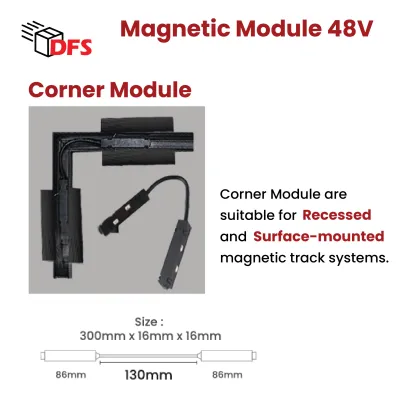
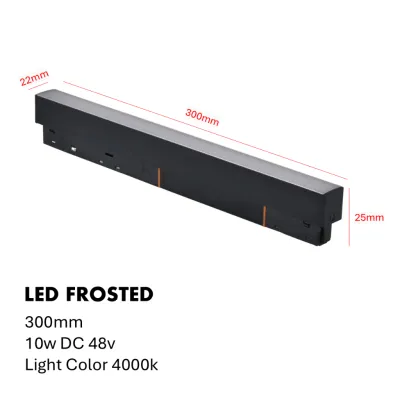
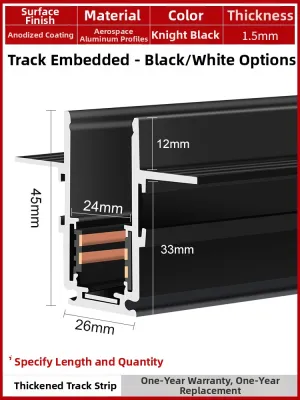
In contrast, magnetic track lights utilize a low-voltage direct current (DC) system, commonly 48V. The track itself houses copper conductors carrying this low voltage, and the light modules snap into place using strong magnets. This magnetic connection establishes both the physical hold and the electrical contact, eliminating the need for mechanical twisting or locking mechanisms.
Products mentioned in this guide
85 Lazada user ratings
Delivery is quick and customer service is helpful and patience.
Item received as per advertised. Great value. Great delivery.
Item received as per advertised. Great value. Fast delivery.
🎨Design:good 💡Brightness:good 🔋Energy Efficiency:good
very prompt delivery and helpful on query

13 Lazada user ratings
As seen in the picture. Good quality.
17 Lazada user ratings
Items are well packed and protected. Seems solid. Well priced. I feel that this is a good buy. Even better with promotion. Items as describe…Read full reviewShow less
Items are well packed and protected. Seems solid. Well priced. I feel that this is a good buy. Even better with promotion. Items as described.
Great value for the price, Versatile and flexible design, easy to install. Looking forward to getting more. Well packed!
🔧Durability:well built. extremely happy with the workmanship. 🎨Design:well design, very strong
Items well received but yet to install as new house still under renovation…
279 Lazada user ratings
The product quality is really good, I've bought it several times.
The track lights are cheap, work well, and are easy to install!
The quality is a bit light and could definitely be improved.
Super great, and the light is super bright.
Super good, and the light is really bright.
3 Lazada user ratings
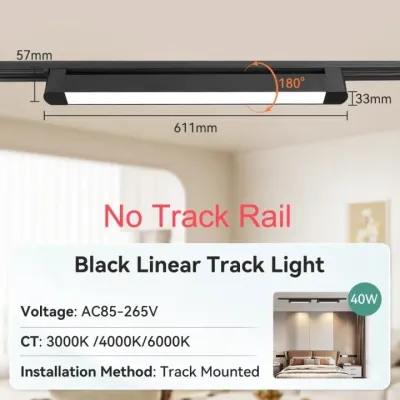
Very happy with purchase. Bright and fix nicely on track. Will buy again. Can flip up n down. Good price
Prices are valid at publication and may change. Please refer to the product page for the latest price.
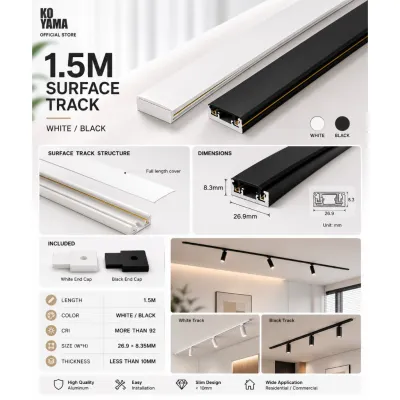
The mounting profiles also differ significantly. Traditional tracks are typically surface-mounted or suspended. Magnetic tracks offer more architectural versatility, with options for recessed (trimless), surface-mounted, or suspended installations. The recessed magnetic track sits completely flush with the plasterboard ceiling, creating a continuous, seamless slot that aligns with minimalist design principles.
The physical dimensions of the tracks themselves also play a role in your choice. Traditional tracks are usually wider and deeper to accommodate the mains-voltage wiring and mechanical locking tracks. Magnetic tracks can be designed with much slimmer profiles, sometimes as narrow as 20 millimeters, which minimizes their visual footprint on your ceiling.
Aesthetic Impact on Minimalist Interiors
Minimalist interior design relies on clean lines, hidden details, and the reduction of visual clutter. Traditional track lights, while functional, project downward from the ceiling and present a distinct physical presence. The fixtures, adapters, and track profiles add visual weight to a room, which can make standard Singapore HDB or condominium ceilings feel lower.

Magnetic track systems minimize this visual footprint by concealing the mounting hardware and electrical connections inside a recessed channel. When installed flush with the ceiling, the track appears as a narrow, dark architectural line rather than an applied fixture. The light modules themselves can be recessed deep within the track, keeping the light source hidden from direct view and reducing glare.
Ceiling height and spatial proportions are critical considerations in Singapore apartments. Standard residential units often have concrete soffits with limited ceiling heights, where dropping the ceiling to accommodate recessed tracks might reduce vertical space. If you cannot lower your ceiling to recess a magnetic track, a slim surface-mounted magnetic track still offers a lower profile and cleaner aesthetic than a standard traditional track.
Furthermore, the design of the light modules themselves differs. Traditional track heads are often bulky cylinders that pivot on external brackets. Magnetic track modules include ultra-slim linear lights, folding accent lights, and tiny spotlights that sit almost entirely within the track channel, preserving the flat plane of your ceiling.
While magnetic tracks are often associated with modern minimalist aesthetics, your choice of color temperature and spatial lighting effects remains a matter of personal preference. Warm white tones can create a cozy atmosphere, while cool white light is often preferred for task-oriented spaces. These visual outcomes depend on your specific interior layout and design goals rather than being an inherent performance advantage of either track system.
Installation Requirements and Electrical Safety
The installation process for these two systems differs in complexity, structural preparation, and electrical components. Traditional track lights are straightforward to install because they connect directly to your existing ceiling lighting points without requiring external transformers. An electrician can mount the track to a concrete or plasterboard ceiling and wire it directly to the mains power.
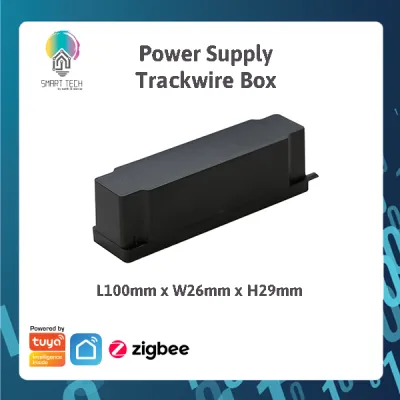
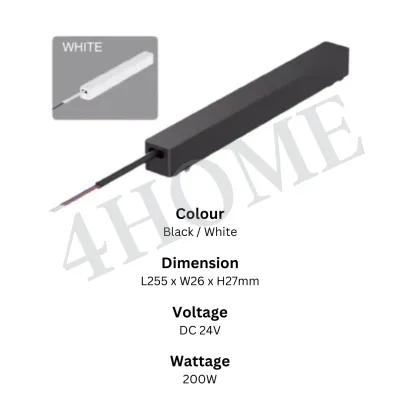
Magnetic track systems require an external LED driver or transformer to convert the mains AC voltage to the low-voltage DC required by the track. This driver must be placed in an accessible, well-ventilated location, such as a distribution box, a false ceiling access panel, or inside a nearby cabinet. Placing the driver in a sealed ceiling cavity is a safety hazard and makes future replacement difficult if the driver fails.
For recessed magnetic tracks, your renovation contractor must cut precise channels into the plasterboard false ceiling, secure the track to the framing, and apply joint compound and paint up to the edge of the track profile. This process requires skilled carpentry and plastering to prevent future cracking along the joints. Because both systems involve fixed electrical wiring, you must engage a Licensed Electrical Worker (LEW) in Singapore to perform the electrical installation and ensure compliance with local safety standards.
Additionally, you must consider the weight of the track and the structural integrity of your ceiling. Recessed magnetic tracks require a sturdy support frame within the false ceiling to prevent sagging. If you are installing suspended tracks, you must ensure the anchor points are securely fastened to the concrete slab to handle the weight of the track and any attached modules safely.
Before purchasing any track lighting system, you must verify its technical specifications, including the operating voltage, base or interface type, wattage limits, physical dimensions, and dimming methods. Ensure the system carries the appropriate electrical safety certifications for use in Singapore. For installations involving fixed wiring, work at heights, or suspended loads, always isolate the power supply at the main distribution board before beginning, follow the manufacturer’s installation instructions precisely, and engage a qualified professional to complete the work.
Module Interchangeability and Lighting Control
One of the primary functional advantages of magnetic track systems is the ease of rearranging the light fixtures. Because the modules are held in place magnetically, you can pull a fixture out and snap it into a different position along the track without turning off the main circuit breaker or using tools. This allows you to adapt the lighting layout instantly when you rearrange your furniture or artwork.
Traditional track lights require you to switch off the power, unlock a mechanical lever on the fixture adapter, slide or remove the fixture, and lock it back into the new position. While still adjustable, this mechanical process is less convenient and can wear down the plastic locking tabs over time.
Both systems offer a variety of light modules, including adjustable spotlights, linear floodlights, and decorative pendants. However, magnetic systems excel at mixing different module types within the same slim track to create layered lighting. For control, both systems can support dimming and smart home integration, but you must verify compatibility beforehand. Magnetic systems require dimmable drivers (such as TRIAC, 0-10V, or DALI) that match your smart switches or home automation protocols, whereas traditional tracks require dimmable LED bulbs or fixtures compatible with your wall dimmers.
When planning your lighting control, consider how you want to group your lights. Traditional tracks typically control all attached fixtures on a single circuit together, meaning they all turn on, off, or dim at the same time unless you use smart bulbs. Some advanced magnetic track systems allow for individual addressability of each module, giving you precise control over which specific lights are illuminated or dimmed.
Budgeting and Long-Term Value
The initial investment for a magnetic track lighting system is generally higher than that of a traditional system. A magnetic setup requires specialized components, including the low-voltage track profiles, external power drivers, and proprietary magnetic light modules. Additionally, the labor costs for plastering and installing recessed tracks in a false ceiling add to the overall renovation budget.
Traditional track lighting is highly cost-effective. The tracks and fixtures are widely standardized, allowing you to mix and match tracks and lights from different brands, which keeps replacement costs low. If a traditional fixture fails, you can easily purchase a standard replacement from almost any lighting retailer in Singapore.
With magnetic systems, the modules are often proprietary to the specific track brand or system design. If a supplier discontinues a particular magnetic track line, finding compatible replacement modules in the future can be challenging. When budgeting, it is wise to purchase a few spare modules and an extra driver upfront, and to choose reputable suppliers who offer clear warranty terms and long-term product support.
You should also factor in the cost of energy efficiency and lifespan. Both systems utilize LED technology, which is highly efficient, but the external driver in a magnetic system can sometimes be replaced independently of the light modules. This means if the power supply fails, you only need to replace the driver rather than the entire set of light fixtures, potentially saving money on long-term maintenance.
Final Decision Framework for Your Home
To choose the right system for your Singapore home, evaluate your ceiling structure, budget, and design priorities.
Opt for magnetic track lights if:
- You are planning a major renovation with new plasterboard false ceilings.
- You want a seamless, flush-mount architectural look with minimal visual clutter.
- You value the flexibility to reposition, add, or swap light modules without tools.
- You prefer a low-voltage system for added safety during adjustments.
Opt for traditional track lights if:
- You are retrofitting lights onto existing concrete ceilings without installing a false ceiling.
- You are working within a strict renovation budget and want to minimize labor costs.
- You want a highly standardized system with widely available, low-cost replacement parts.
- You require high-lumen output from larger, standard-sized fixtures.
Before finalizing your purchase, measure your available ceiling depth to ensure recessed tracks can fit, and consult your electrician to verify that your electrical load capacity and driver placement meet local safety guidelines.
Frequently Asked Questions (FAQ)
Can I mix magnetic and traditional modules on the same track?
No, magnetic and traditional track light modules are completely incompatible. Traditional tracks operate on mains voltage (220V-240V) and use mechanical locking mechanisms, while magnetic tracks operate on low-voltage DC (typically 48V) and use magnetic connections. Attempting to mix them will cause electrical failure and poses a severe safety hazard. Always purchase tracks and modules from the same compatible system.
Do magnetic track lights require a special dimmer switch?
Yes, magnetic track lights require a dimming system that is compatible with their low-voltage LED drivers. You must match your wall dimmer switch with the specific dimming protocol of the driver, such as TRIAC, 0-10V, or DALI. Consult your lighting supplier and a Licensed Electrical Worker (LEW) before purchasing to ensure your dimmer and driver are fully compatible and to prevent flickering or premature driver failure.

Community discussion
Share your experience or ask a question. Comments are reviewed before publication.