
Finding the right home fragrance solution for a compact HDB flat or small apartment in Singapore can be challenging due to limited floor areas, enclosed layouts, and varying ventilation conditions. Selecting the ideal Ecoya diffuser model depends on matching the device’s physical footprint, water tank capacity, and mist output settings directly to your specific room dimensions, available surface space, and daily airflow habits. By systematically evaluating these physical and operational specifications against your home’s layout, you can enjoy a consistent, non-overwhelming scent experience without risking moisture buildup or cluttering your living space.
How do room dimensions and layout affect your diffuser capacity needs?
Room dimensions and spatial layouts directly dictate the required mist output and water tank capacity of your diffuser to ensure the scent disperses effectively without oversaturating the air. Matching the manufacturer’s recommended coverage area to your measured floor space prevents under-performance in open areas and excessive moisture in enclosed rooms.
Start by measuring the usable floor area of the specific room. In typical Singapore apartments, a standard common bedroom or study room often ranges from 9 to 12 square meters, while master bedrooms might be slightly larger. Living and dining areas present a much larger, often open-concept volume. Using a measuring tape allows you to calculate the exact square meterage, which you can then compare directly against the technical specifications listed in the user manual of different Ecoya diffuser models.
Products mentioned in this guide
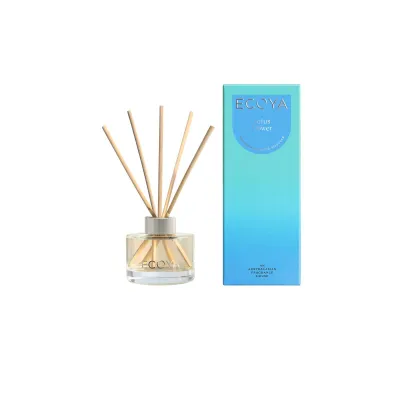
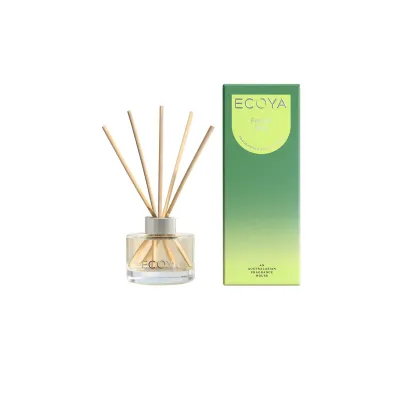
6 Lazada user ratings
looking forward to try this scent. thanks for the free gift🥰❤️
Great diffuser that fills the room
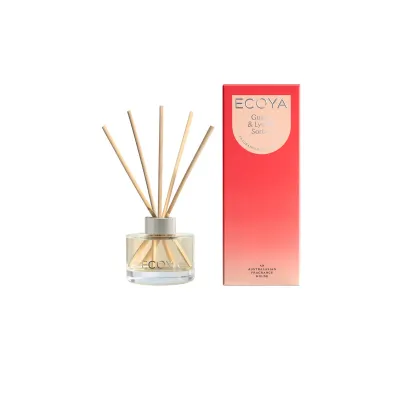
3 Lazada user ratings
really love this scent. thanks for the Christmas Gift🥰❤️
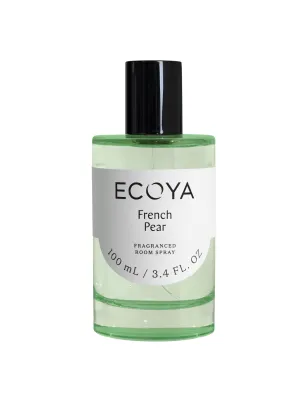
Prices are valid at publication and may change. Please refer to the product page for the latest price.
Once you have your measurements, read the product labels to identify the manufacturer’s recommended coverage area and the water tank capacity, usually measured in milliliters. A smaller ultrasonic diffuser with a compact tank is generally optimized for localized scenting, making it highly suitable for bedside tables or small enclosed studies where a high volume of mist is unnecessary. Conversely, models with larger water reservoirs are engineered to run for longer periods and cover wider areas, making them more appropriate for spacious living-dining zones where air circulates across a broader footprint.
What physical footprint and design features fit compact HDB interiors?
Evaluating the physical footprint, height, and aesthetic design of a diffuser ensures the device fits securely on your available surfaces without creating visual or physical clutter. Comparing these dimensions against your bedside tables, floating shelves, or entryway consoles prevents accidental tipping and maintains a clean interior aesthetic.

In compact apartments, flat surfaces are often at a premium, with bedside tables, floating shelves, and entryway consoles serving multiple functional roles. Before selecting a diffuser model, measure the precise depth and width of the surface where the unit will sit. It is important to leave at least a few centimeters of clearance around the base of the device to allow for safe handling, easy refilling, and to prevent the power cord from being bent at sharp angles against walls or other furniture.
When reviewing different Ecoya diffuser models, compare their physical dimensions—specifically the base diameter and the overall height—against your measured surface space. A model with a tall, slender silhouette has a smaller footprint, making it ideal for narrow floating shelves, but it may have a higher center of gravity and be more prone to tipping if placed in high-traffic areas. On the other hand, a model with a wider, low-profile base offers excellent stability, which is highly desirable for bedside tables where it might be bumped in the dark. Additionally, check the length and routing of the power cord to ensure it can comfortably reach the nearest electrical outlet without stretching across walkways or creating a tripping hazard.
How do ventilation and airflow habits influence your model selection?
Your home’s daily ventilation patterns and airflow habits determine how effectively mist disperses and whether moisture accumulates on nearby surfaces. Selecting a diffuser with adjustable mist settings and interval timers allows you to customize the output to match either naturally ventilated rooms or enclosed, air-conditioned spaces.
To determine the best model for your habits, identify the typical airflow patterns in the room where the diffuser will be used. If you prefer to keep windows open to encourage natural cross-ventilation, the constant movement of outdoor air will quickly disperse the mist. In this scenario, you may require a diffuser that offers a continuous misting mode or a slightly higher output setting to ensure the fragrance remains notice-able. However, if you frequently run an air conditioner or keep the room closed, the air exchange rate is much lower, meaning that moisture and scent can quickly build up in the enclosed space.
To manage moisture levels and prevent scent fatigue—a common issue where your senses become desensitized to a constant, heavy fragrance—look for specific control features in the product specifications. Models equipped with intermittent misting timers (such as alternating between 30 seconds of misting and 30 seconds of rest) are highly beneficial for smaller, enclosed rooms because they deliver a controlled amount of fragrance over a longer period without oversaturating the air. Adjustable output settings and directional nozzles also allow you to direct the mist away from walls and control the rate of moisture release, helping to maintain a comfortable relative humidity level indoors.
Which electrical and safety specifications must you verify before use?
Verifying local electrical compatibility and built-in safety mechanisms is essential to ensure the diffuser operates safely within your apartment’s electrical system. Checking for standard certifications and automatic shut-off features protects your home from electrical hazards and dry-running risks.
Before operating any diffuser model, verify that its electrical specifications are fully compatible with Singapore’s standard domestic power supply, which operates at 230V and 50Hz. Check the product label or the power adapter to confirm it matches these ratings. Additionally, ensure the device is equipped with a compatible plug type—typically a 3-pin Type G plug—or use a high-quality, certified adapter. Avoid plugging the diffuser into overloaded multi-way adaptors or low-quality extension cords, as this can lead to voltage fluctuations or electrical hazards.
Another critical safety specification to look for is an automatic shut-off mechanism. This feature ensures that the diffuser automatically powers down the moment the water level in the reservoir falls below the minimum required limit, or if the unit is accidentally tilted or knocked over. In compact living environments where devices are often placed near beds or on active desks, this safety check is vital to prevent the ultrasonic plate from overheating or running dry, which can damage the internal components and pose a fire hazard.
How can you evaluate ongoing maintenance and cleaning requirements?
Understanding the long-term maintenance and cleaning protocols of a diffuser is vital for preserving its operational efficiency and preventing mold or mineral buildup. Evaluating how easily you can access and clean the internal components before purchasing helps ensure a hygienic scenting environment in your home.
To keep your diffuser functioning reliably, check the manufacturer’s recommended cleaning frequency and descaling instructions in the user manual before making your choice. In compact apartments where air circulation can sometimes be limited, maintaining a clean water reservoir is essential to prevent the growth of mold, bacteria, and mildew. Regular maintenance typically involves emptying any leftover water after each use, wiping the tank dry with a soft cloth, and performing a deeper clean every few weeks using a mild, non-abrasive solution like diluted white vinegar to dissolve mineral deposits on the ultrasonic transducer.
When comparing different models, pay close attention to the physical design of the water reservoir and how easily you can access its internal components. Models featuring wide, completely removable lids allow you to reach every corner of the tank easily for routine wiping and drying. Conversely, diffusers with narrow openings or intricate internal columns can be difficult to clean thoroughly, often requiring specialized brushes or extra effort to ensure no residue is left behind. Choosing a model with straightforward accessibility simplifies your cleaning routine and helps ensure you can maintain the device without hassle.

Community discussion
Share your experience or ask a question. Comments are reviewed before publication.